
Define the part and the supply scope
Start with the drawing number and revision. State whether the inquiry covers a complete gear, machining from your blank, a gear shaft or several connected components. For a set, include a bill of materials and the quantity of each part per assembly. A request for a single ring gear is different from a request for the complete planetary stage.
Provide the tooth and interface definition
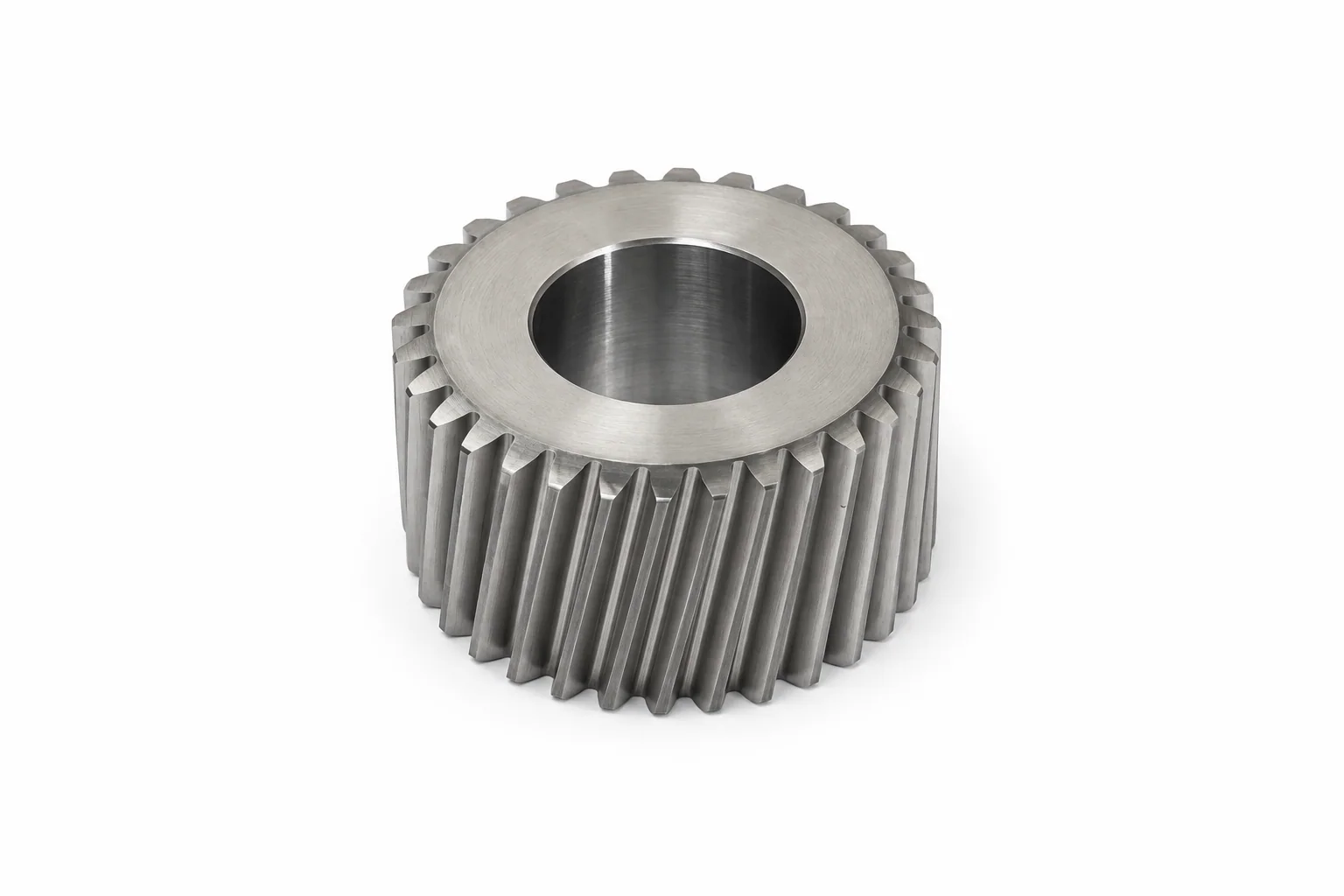
The supplier needs the tooth count, module or pitch, pressure angle and face width. A helical part also needs helix angle and hand, with normal or transverse data clearly identified. Include bores, journals, keyways, splines, shoulders and mounting faces, together with their datum relationships. A 3D model helps explain the shape, but the controlled drawing should establish the acceptance requirements.
Separate requirements from background information
Material grade, treatment, hardness, case depth and tooth accuracy are requirements when stated in the approved specification. Machine duty, speed, load and mating-part context help the supplier understand the component. Keep the two groups distinct so useful background does not accidentally become an undefined acceptance test.
Explain the project stage and quantities
Identify whether the request is for a prototype, first article, supplier transfer or repeat production. Provide the initial quantity and, when available, the estimated annual demand and batch pattern. If the drawing is still changing, say so. List prototype and repeat-production requirements separately so each stage can be quoted on the correct basis.
Specify the records and the delivery definition
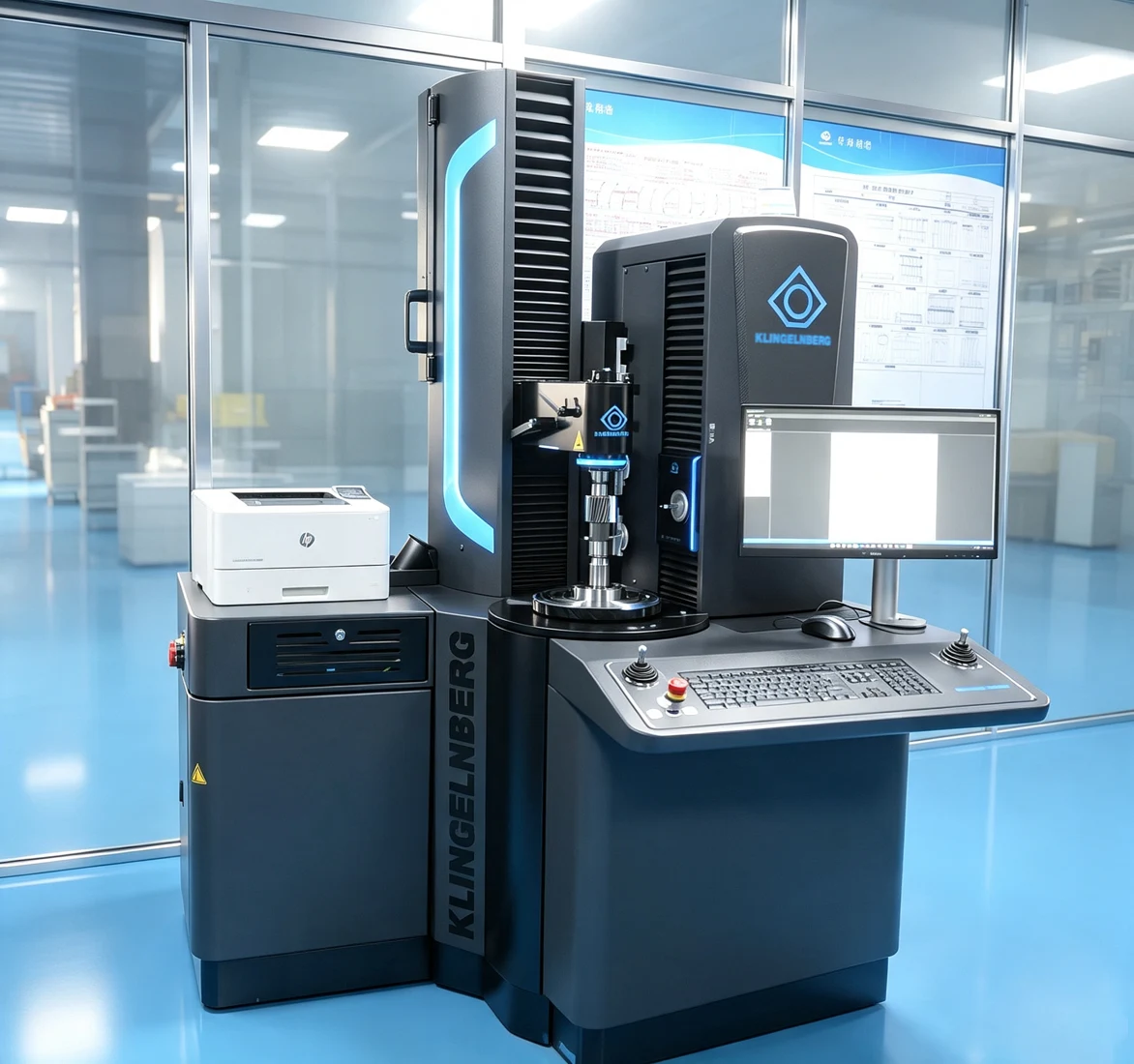
State the required tooth and dimensional reports, material or treatment evidence, sampling plan and any project approval requirements. Include the delivery location, desired timing, packaging and labeling needs. Timing should be confirmed with the technical scope, not detached from it.
Organize the files for quotation
Use consistent file names and keep obsolete revisions out of the quotation package. If a requirement is unresolved, list it as an open question. This makes the technical discussion more useful than filling every field with an assumption. Keep a copy of the exact package used for the quotation and approval.
Quick review checklist
| Review item | What to define |
|---|---|
| Part definition | Drawing number, revision and supply scope |
| Technical package | Controlled drawing, model and mating references |
| Material state | Grade, treatment, hardness and case-depth requirements |
| Acceptance | Tooth, dimensional and requested report requirements |
| Project | Initial quantity, annual demand, delivery and project stage |
Relevant products and capabilities
Discuss your part requirements
Send the current drawing, quantity and application. Include the inspection records required for your project.
Send your drawing for a quote