
Gear Cutting & Power Skiving
Spur and helical teeth with accessible blank geometry.
Custom straight-tooth gears for industrial reducers, agricultural transmissions and compact drives. Send your drawing with tooth data, mounting dimensions and quantity for a manufacturing quotation.
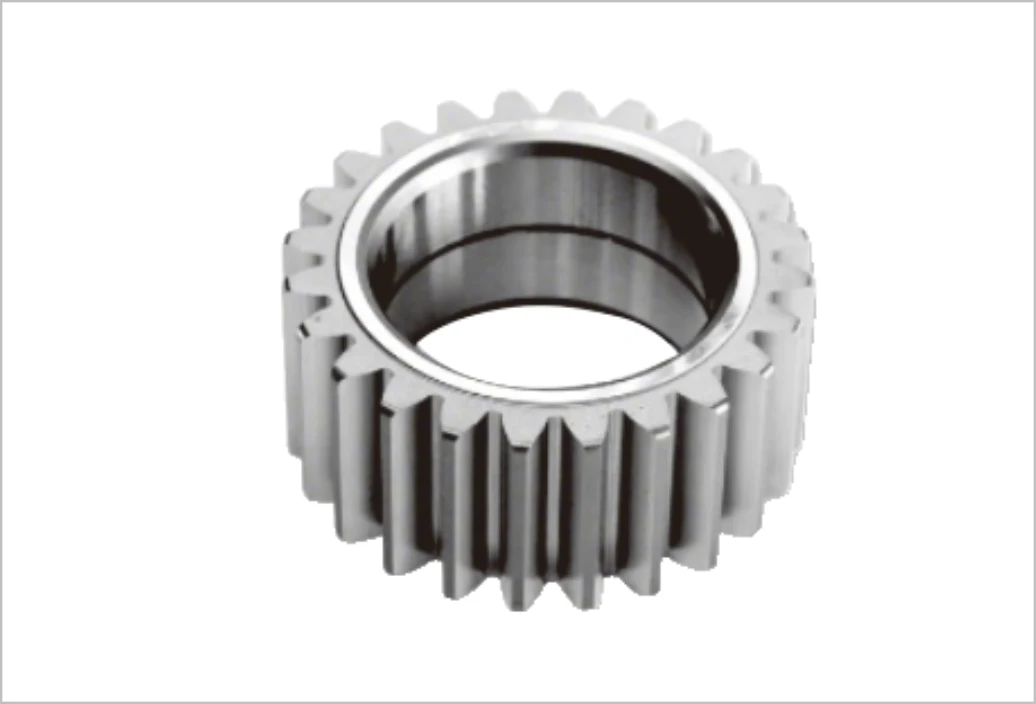
Spur gears transfer rotation and torque between parallel shafts through straight teeth. Their relatively simple geometry makes them a practical option for gearbox stages, auxiliary drives and machines where the assembly does not need the axial thrust associated with a conventional helical mesh.
KERVELD supplies custom spur gears, stepped and double gears, and integrated gear components. The part may have a plain bore, spline, keyway, hub or flange; those interfaces matter as much as the tooth form when the gear is assembled into a working machine.
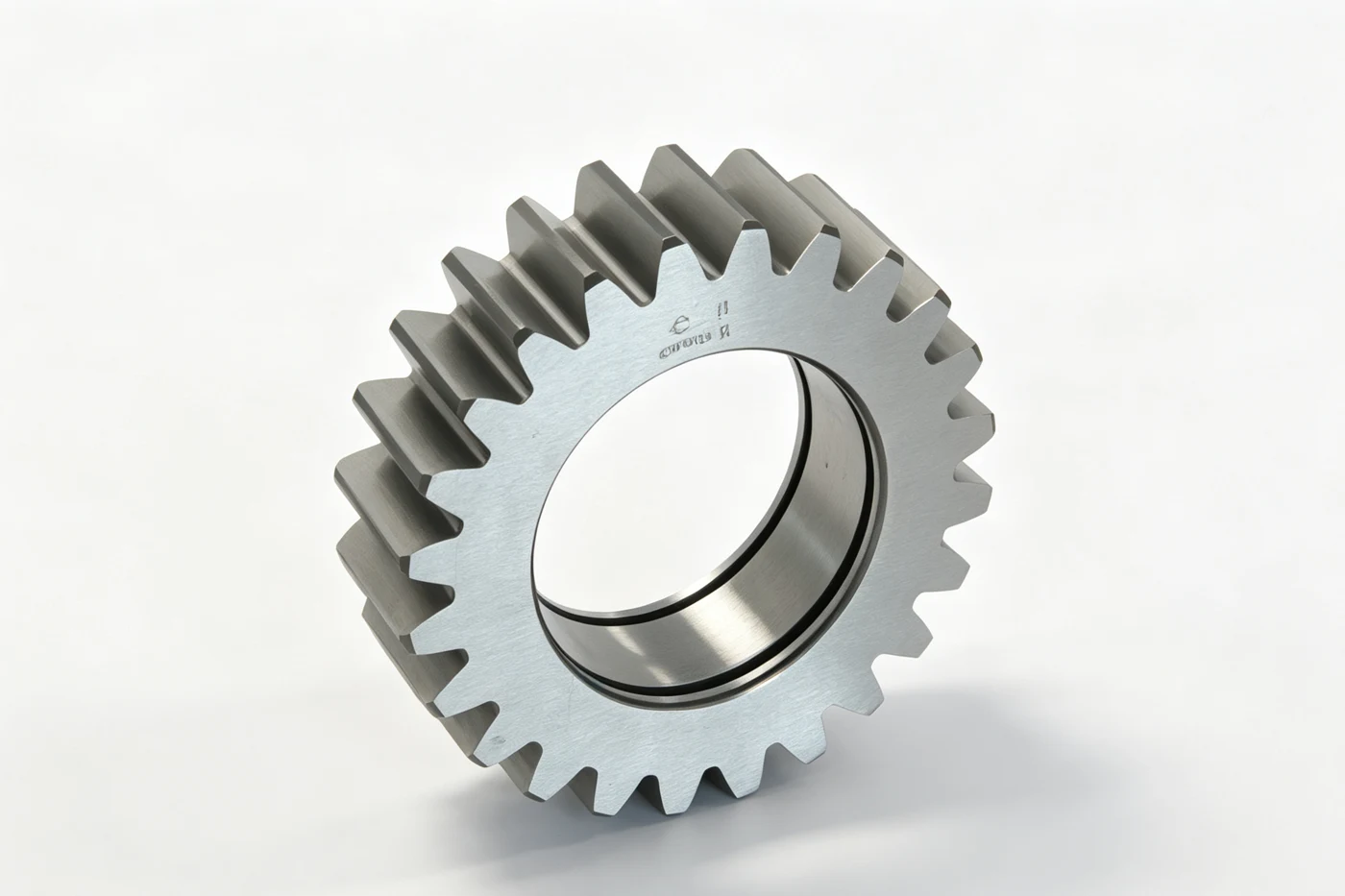
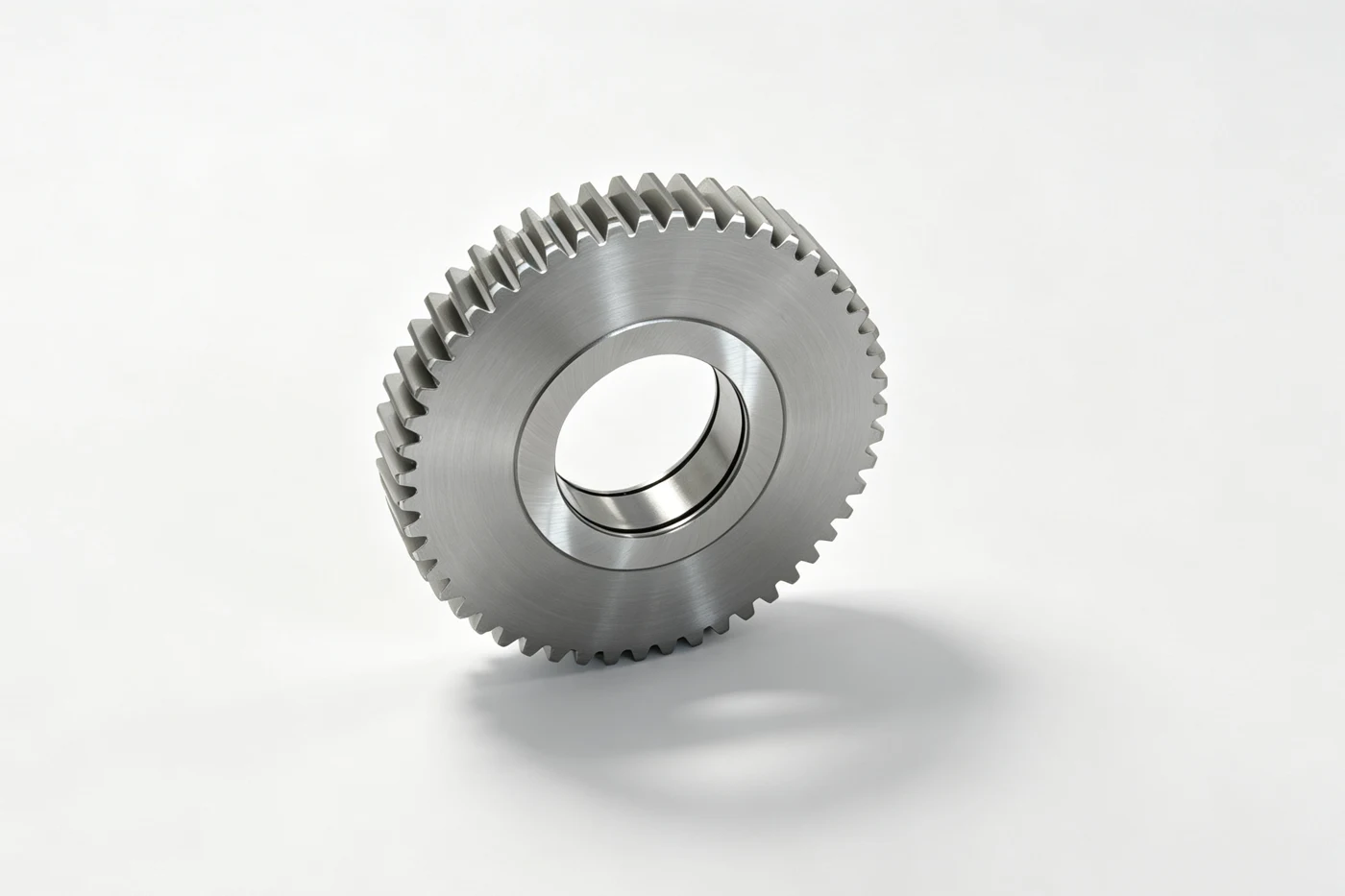
Include these details with your drawing so we can assess manufacturing, inspection and quotation requirements.
| Review item | What to define |
|---|---|
| Tooth definition | Module or diametral pitch, tooth count, pressure angle and any profile shift. |
| Gear envelope | Outside diameter, face width, hub dimensions and clearance to adjacent parts. |
| Mounting interface | Bore fit, keyway or spline, datum axis and face runout. |
| Material and treatment | Steel grade or specified material, hardness and required case depth. |
| Tooth acceptance | The stated accuracy standard, inspection items and tooth-thickness method. |
Share your dimensions, material, accuracy requirements and order quantity. We confirm the manufacturing options and delivery requirements for your specific part.
Tooth cutting establishes the gear form; turning and machining establish the blank and mounting features. Where the drawing calls for hardened, ground teeth, heat-treatment allowance and subsequent finishing need to be planned together. Tooth accuracy is evaluated against the datum used in the assembly, rather than in isolation.
View inspection and quality documentationSpur and helical teeth with accessible blank geometry.
Specified finished tooth geometry in industrial and vehicle drives.
Profile, lead, pitch or other characteristics specified for the part.
Pitch, profile and tooth thickness against the specified gear data.
Runout and the relationship between the tooth system and mounting datum.
Specified hardness and treatment records for the required production state.
Multi-stage reduction and general machine drives.
View application requirementsTransmission stages and implement power delivery.
View application requirementsSun and planet components in compact reduction systems.
View application requirementsYes. Include the spline or keyway specification, its relationship to the gear teeth and the bore datum on the part drawing.
It helps when backlash, center distance or paired tooth-thickness requirements must be reviewed. The two parts should be identified by drawing number and revision.
Not necessarily. Speed, loading, tooth accuracy and the approved surface condition determine whether further finishing is required. State the final acceptance criteria rather than assuming a process from appearance.
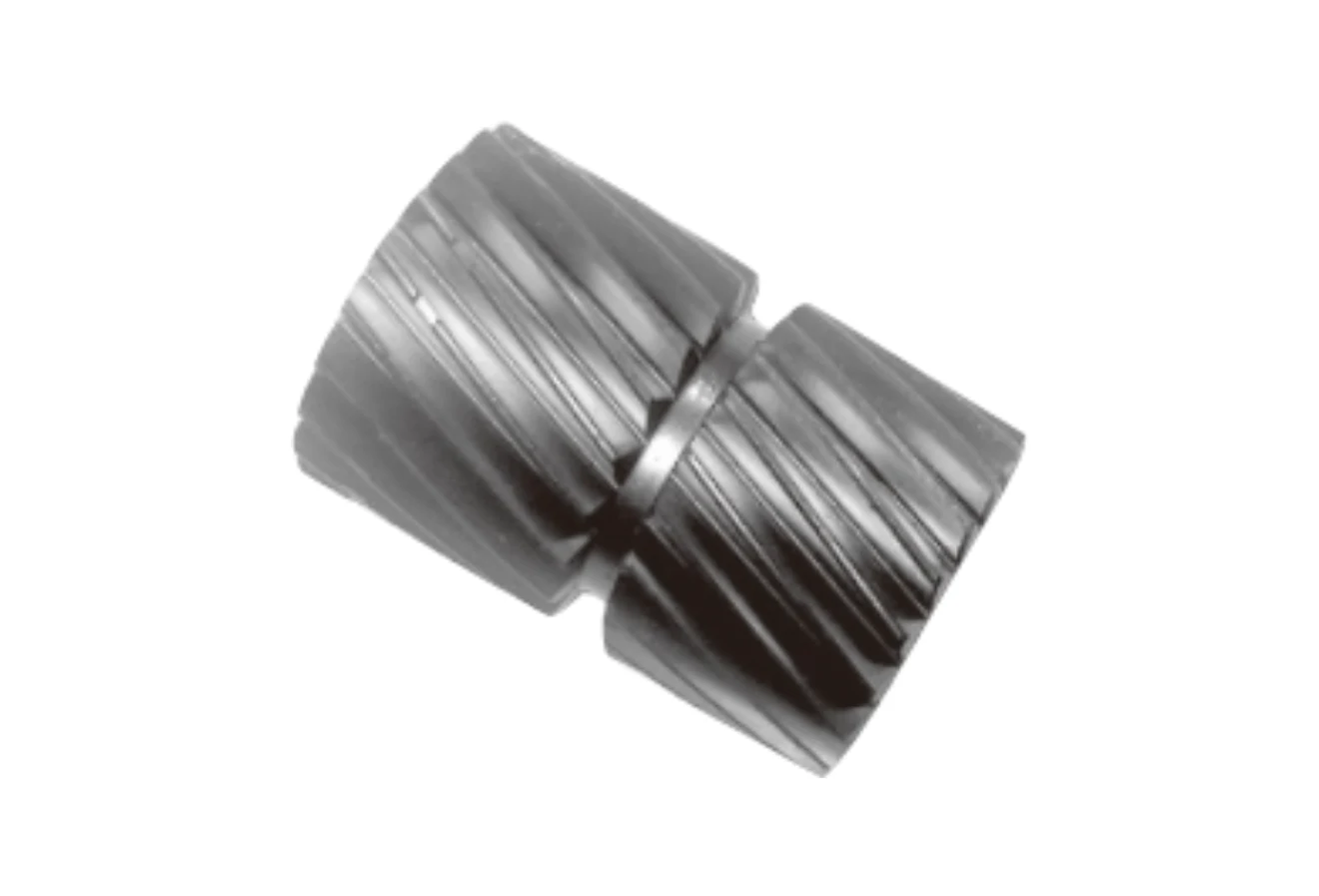
Custom helical gears and combined gear parts for vehicle and industrial transmissions.
View product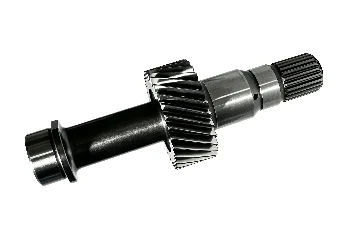
Combined shaft and spline features for power transmission assemblies.
View product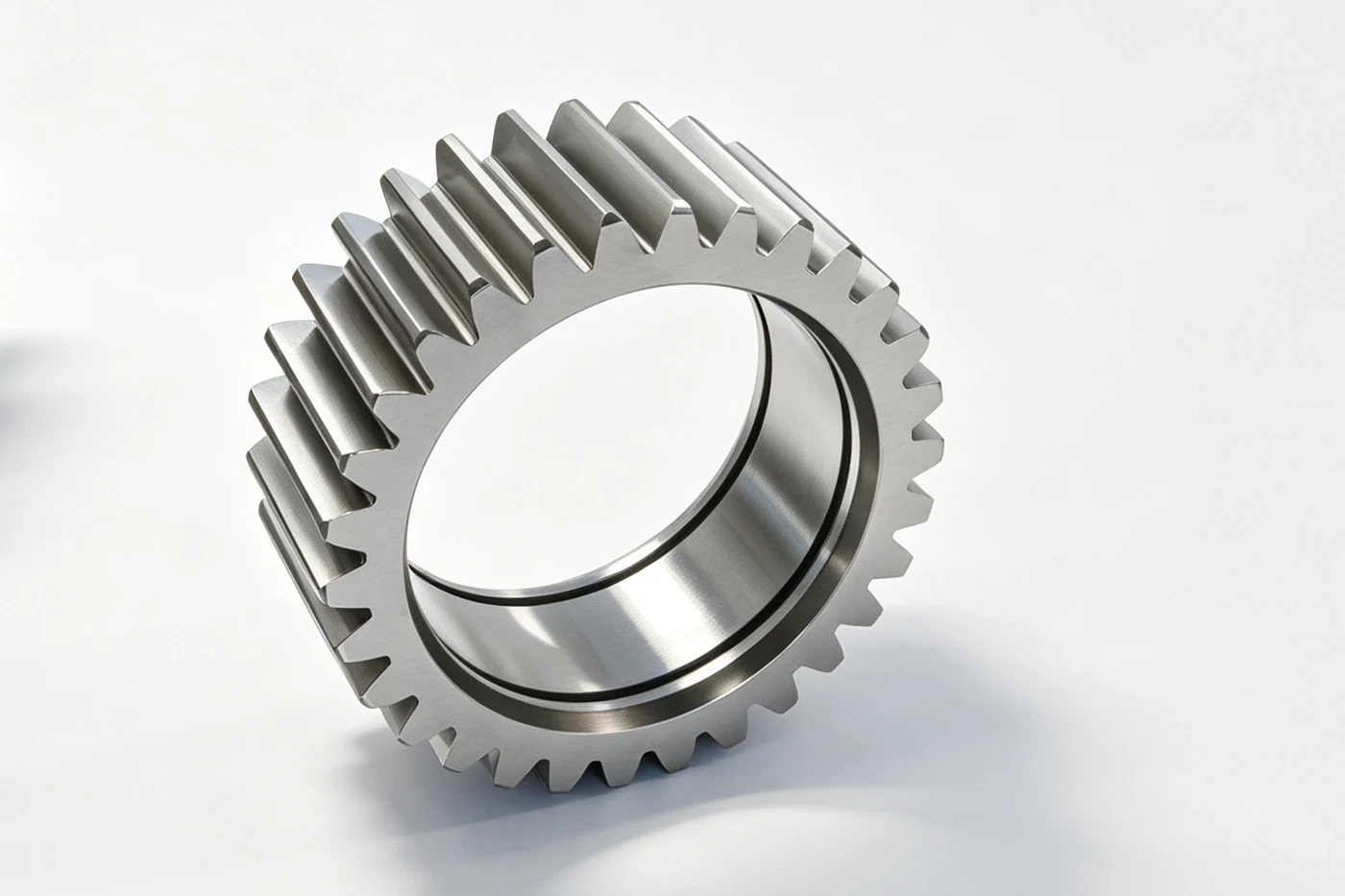
Sun gears, planet gears, ring gears and related planetary components.
View productShare your drawing, quantity and application. We will review the manufacturing and inspection requirements, then contact you to clarify any details needed for a quotation.